Rheumatoid Arthritis and Your Feet: Early Signs and Podiatry Care
Most people think rheumatoid arthritis begins in the hands. In reality, your feet often tell the story first — and by the time you notice something is wrong, the damage may already be underway. If you've been dealing with unexplained morning stiffness in your toes, swelling across the balls of your feet, or a dull ache that won't go away no matter what shoes you wear, rheumatoid arthritis could be the reason. Understanding the connection between RA and your feet is the first step toward rheumatoid arthritis foot pain treatment in Mumbai that actually makes a difference.
Rheumatoid arthritis (RA) is a chronic autoimmune condition where the body's immune system mistakenly attacks healthy joint tissue, particularly the thin synovial membrane that lines and lubricates each joint. According to the American Academy of Orthopaedic Surgeons (AAOS), more than 90 percent of people with RA develop symptoms in their feet and ankles at some point during their disease. For roughly one in five patients, those foot symptoms are the very first sign that something systemic is going on.
That's a staggering number — and yet, most patients in India consult an orthopaedic surgeon or rheumatologist long after deformity has already begun. Podiatric care, especially when introduced early, can slow the progression of foot damage and keep you walking comfortably for years longer.
Why Does Rheumatoid Arthritis Target the Feet?
Your feet contain over 30 joints each. That's a lot of small, delicate structures packed into a compact space — and RA has a strong preference for small joints. The metatarsophalangeal (MTP) joints at the base of your toes and the joints in the midfoot and ankle are particularly vulnerable.
Here's why:
The synovium — the membrane that produces lubricating fluid inside each joint — becomes the target of your own immune system in RA. When it becomes inflamed, excess fluid accumulates, cartilage wears down, and the ligaments that hold your foot bones in place gradually weaken. Because your feet bear your entire body weight with every single step, even mild joint inflammation translates into noticeable pain, stiffness, and eventually structural changes.
According to a peer-reviewed study published in BMC Musculoskeletal Disorders, nearly 70 percent of early RA patients show evidence of foot synovitis within three years of their first symptoms. The forefoot — the area around the ball of the foot and toes — tends to be affected first, followed by the hindfoot and ankle.
Early Foot Symptoms of Rheumatoid Arthritis You Shouldn't Ignore
One of the trickiest things about RA in the feet is that early symptoms often mimic other conditions. People assume it's just a sprain, a bad pair of shoes, or age-related wear. Here's what to watch for.
Morning Stiffness That Lasts More Than 30 Minutes
Everyone's feet feel a bit stiff when they first get out of bed. But if that stiffness lingers for 30 minutes or more — sometimes several hours — it could point to inflammatory arthritis rather than simple muscle tightness. Unlike osteoarthritis, which usually loosens up quickly with movement, RA stiffness tends to persist and is often worse after rest.
Symmetrical Joint Swelling
RA tends to affect the same joints on both sides of the body. If the base of your second and third toes is swollen on both feet, that pattern is a strong clinical indicator of RA. This bilateral presentation distinguishes it from gout, which typically strikes one joint at a time — often the big toe.
Pain in the Ball of the Foot
Persistent aching or burning under the ball of the foot — especially near the MTP joints — is one of the earliest and most common foot complaints in RA. This kind of forefoot pain is frequently mistaken for metatarsalgia, but in RA, it tends to affect multiple joints and comes with visible swelling.
Difficulty Wearing Shoes
If your usual shoes suddenly feel tight across the forefoot, or if the top of your foot appears puffy, inflammation may be changing the shape of your foot. Many patients describe needing to go up a shoe size before they even realise what's happening.
Fatigue and a General Feeling of Being Unwell
Because RA is a systemic disease — not just a joint problem — you may also feel unusually tired, run a low-grade fever, or lose your appetite alongside your foot symptoms.
How Rheumatoid Arthritis Leads to Foot Deformities
Left untreated, RA doesn't simply cause pain — it reshapes the foot. The inflammatory process erodes cartilage, weakens ligaments, and shifts bones out of alignment. Over months and years, this can produce structural deformities that make walking difficult and shoes nearly impossible to fit.
Bunions (Hallux Valgus)
RA-related bunions tend to be more severe than the typical bunion you'd see in someone who simply wore narrow shoes. The big toe deviates sharply toward the second toe — and in advanced cases, it may actually cross over or under the adjacent toe entirely.
Claw Toes and Hammertoes
When the ligaments around the smaller toes weaken, the toes can curl into a claw-like position. This not only causes pain at the top of the toes (where they rub against shoes) but also pushes the fatty cushioning pads under the ball of the foot forward. Without that natural padding, every step becomes painful.
Flat Feet and Collapsed Arches
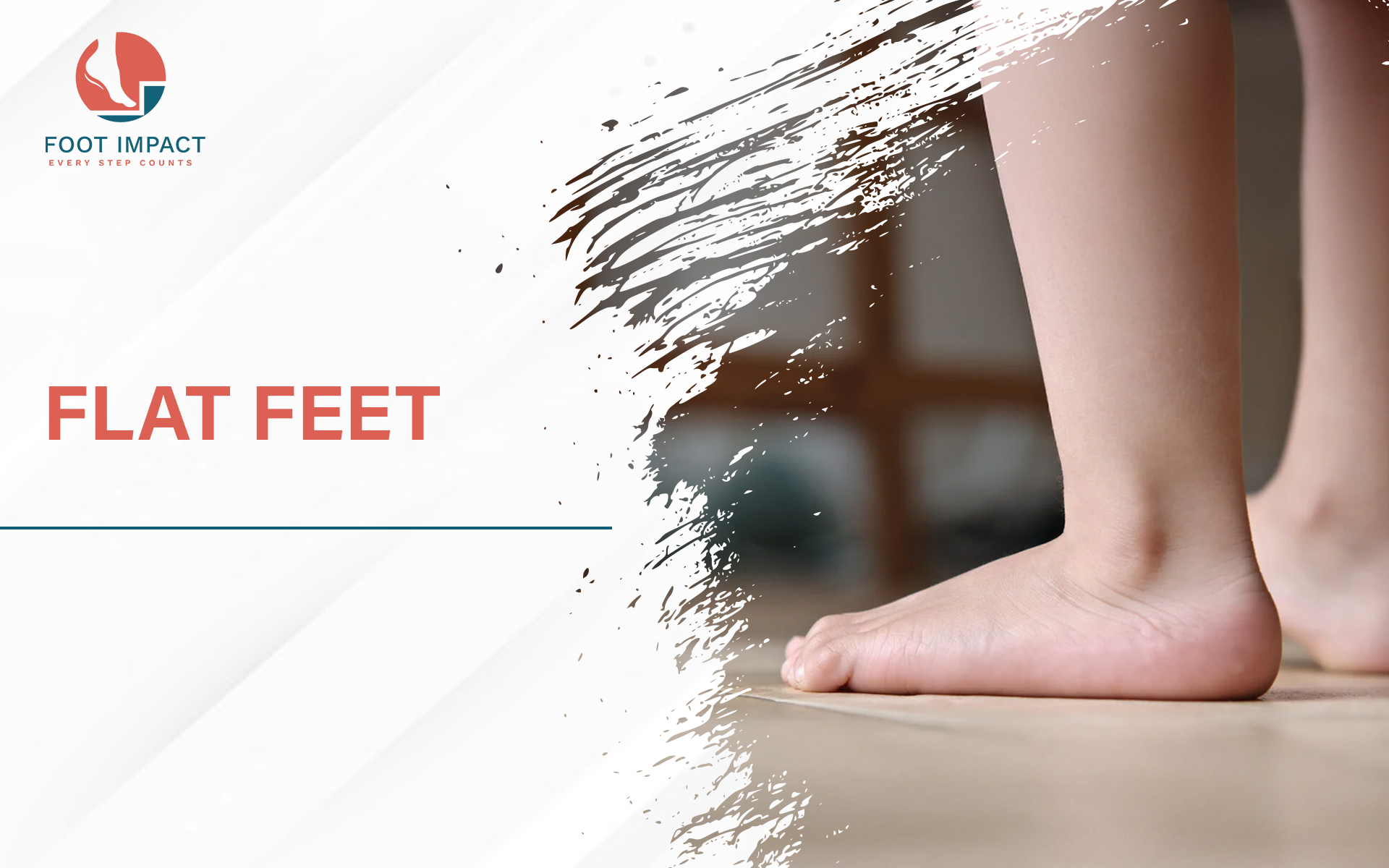
RA can damage the posterior tibial tendon — the main tendon that supports your foot's arch. When this tendon weakens, the arch gradually collapses, leading to acquired flat feet. This creates a chain reaction: the heel tilts outward, the ankle rolls inward, and walking becomes unstable.
Rheumatoid Nodules
Some patients develop firm lumps under the skin, particularly on pressure points like the heel or the ball of the foot. These nodules can make it painful to stand or walk, especially on hard surfaces.
RA Foot Pain vs. Other Conditions: How to Tell the Difference
Foot pain is incredibly common, and not all of it is caused by rheumatoid arthritis. Here's how RA-related foot pain differs from other conditions patients frequently confuse it with.
Osteoarthritis tends to affect a single joint (often the big toe) and is linked to wear and tear over time. It rarely causes the symmetrical pattern or systemic symptoms seen with RA.
Gout causes sudden, intense flare-ups — usually in one joint, most often the big toe. The affected joint turns red, hot, and extremely tender. While RA can cause similar swelling, gout attacks tend to peak within 24 hours and subside within days.
Plantar fasciitis causes heel pain that's worst with the first steps in the morning. While RA can also cause heel pain — particularly through posterior tibial tendon dysfunction or Achilles tendinitis — plantar fasciitis is localised and doesn't involve joint swelling.
Morton's neuroma causes a burning or tingling sensation between the toes, usually the third and fourth. Interestingly, Morton's neuroma can also be associated with RA, as chronic inflammation in the forefoot can compress the nerves between the metatarsal heads.
If you're unsure what's causing your symptoms, a thorough assessment — including blood tests, imaging, and a physical examination — is essential. This is where a multidisciplinary approach between a rheumatologist and a podiatrist becomes invaluable.
How a Podiatrist Works Alongside Your Rheumatologist
A common misconception is that once you're seeing a rheumatologist, your feet are covered. In truth, rheumatologists focus on managing the systemic disease — suppressing inflammation through medication, monitoring disease activity, and adjusting drug therapy. While that's absolutely essential, rheumatoid arthritis foot pain treatment in Mumbai also needs a specialist who understands how those joints function mechanically under load.
That's where a podiatrist fits in. At Foot Impact, our podiatrists work collaboratively with your rheumatologist to address the biomechanical consequences of RA. This involves assessing how you walk, identifying pressure points that could lead to ulcers or calluses, prescribing custom orthotics, and recommending appropriate footwear — all aimed at protecting your joints from further damage.
Think of it this way: your rheumatologist controls the fire of inflammation. Your podiatrist protects the structure of the building so it doesn't collapse.
What a Podiatric Assessment Includes
Gait and posture analysis: Using computerised gait analysis, a podiatrist can identify abnormal walking patterns that place extra stress on weakened joints.
Pressure mapping: Digital foot scans reveal exactly where excess pressure is building under the foot, helping to guide orthotic design.
Joint range of motion testing: Measuring how far each joint can move helps track the progression of stiffness and deformity over time.
Footwear assessment: Many patients unknowingly wear shoes that accelerate joint damage. A podiatrist will evaluate your current shoes and suggest modifications or replacements.
Managing RA Feet: Custom Orthotics, Footwear Advice, and Offloading
When it comes to rheumatoid arthritis foot pain treatment in Mumbai, there's no single solution. The most effective approach combines systemic disease management (handled by your rheumatologist) with targeted foot care strategies. Here are the key tools a podiatrist uses.
Custom Orthotics for Rheumatoid Arthritis
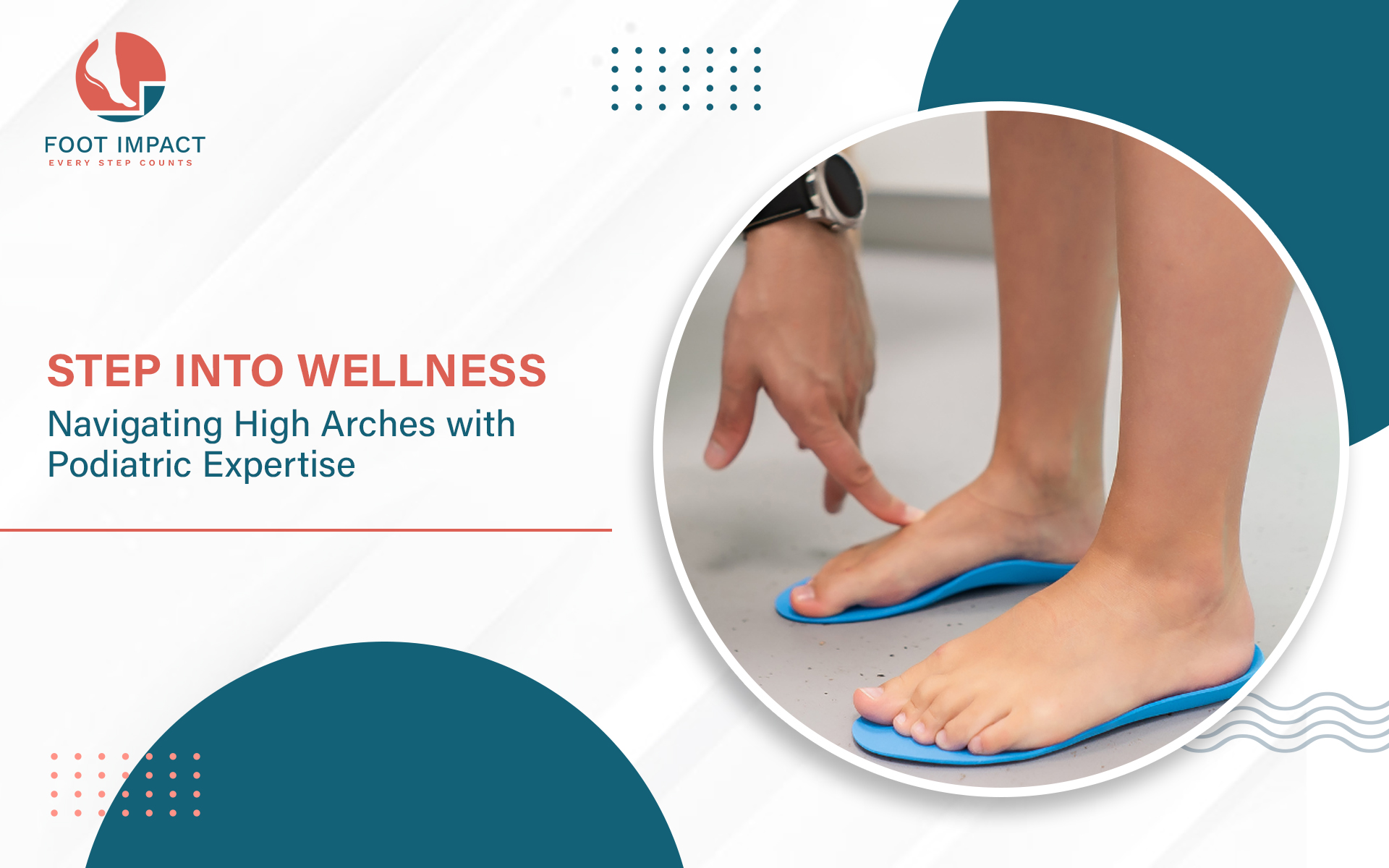
Off-the-shelf insoles rarely provide adequate support for RA-affected feet. The deformities and pressure points are too individual. Custom orthotics for rheumatoid arthritis are moulded to the exact contours of your feet and designed to redistribute pressure away from painful or vulnerable areas. For instance, a metatarsal dome built into the orthotic can lift and separate the metatarsal heads, reducing the grinding sensation many RA patients feel with every step.
Custom orthotics also help stabilise a collapsing arch, support weakened ligaments, and cushion rheumatoid nodules — all without surgery or medication changes.
Footwear Advice
The right shoes make an enormous difference when you're living with RA. Look for shoes with a wide, deep toe box to accommodate swelling and deformity, a firm heel counter for stability, and a supportive midsole that doesn't flex too easily. Avoid flat, unsupportive sandals and narrow pointed shoes that squeeze the forefoot. Our podiatrists provide personalised footwear recommendations based on your foot shape, walking pattern, and specific deformities.
Offloading and Padding
Strategic padding can protect areas of the foot that are under excessive pressure. Felt pads placed behind the metatarsal heads, for example, can take weight off the ball of the foot and reduce pain significantly. Silicone toe separators help relieve friction between overlapping or deviated toes.
Activity Modification
While staying active is important for overall health and joint mobility, certain activities may need to be adapted. High-impact exercises like running or jumping can accelerate joint damage in RA-affected feet. Swimming, cycling, and controlled walking are typically gentler alternatives. A podiatrist can help you find the right balance between staying active and protecting your joints.
Protecting Your Joints Long-Term: What You Can Do Every Day
Rheumatoid arthritis is a lifelong condition, and foot care should be a lifelong habit. Here are practical steps you can take daily to slow the progression of foot damage and maintain your mobility.
Inspect your feet every day. Look for new areas of redness, swelling, or skin breakdown — especially if you have reduced sensation from peripheral neuropathy. Early detection of pressure sores or calluses can prevent serious complications.
Stretch gently each morning. Before you put weight on your feet, gently flex and extend your toes, circle your ankles, and stretch your calves. This helps ease morning stiffness and prepares your joints for the day.
Wear your orthotics consistently. Custom orthotics only work when you actually wear them. Make them a non-negotiable part of your daily routine — even at home. Wearing supportive indoor footwear with your orthotics is far better for RA feet than walking barefoot on hard floors.
Maintain a healthy weight. Every kilogram of body weight translates to roughly three to four kilograms of force on your foot joints with each step. Even modest weight loss can meaningfully reduce the load on inflamed joints.
Keep your follow-up appointments. Both with your rheumatologist and your podiatrist. RA is unpredictable — what works today may need adjustment next month. Regular check-ups allow your care team to stay ahead of changes before they cause lasting damage.
Don't ignore new symptoms. If a joint that was previously comfortable suddenly starts hurting, or if you notice a change in the shape of your foot, get it assessed promptly. Early intervention is almost always simpler and more effective than treating advanced deformity.
Frequently Asked Questions (FAQ)
Can rheumatoid arthritis start in the feet?
Yes. Research from the AAOS confirms that in roughly 20 percent of RA patients, foot and ankle symptoms are the very first manifestation of the disease. The small joints of the forefoot — particularly the MTP joints — are commonly affected before any hand involvement appears.
What does rheumatoid arthritis feel like in the feet?
Most patients describe a deep, aching pain across the ball of the foot, often accompanied by stiffness that is worst in the morning. The joints may feel warm and appear visibly swollen. Over time, the shape of the foot may change as deformities like bunions and claw toes develop.
Should I see a podiatrist or a rheumatologist for RA foot pain?
Ideally, both. Your rheumatologist manages the underlying autoimmune disease with medications, while a podiatrist addresses the mechanical and structural impact on your feet. Working together, they provide comprehensive rheumatoid arthritis foot pain treatment in Mumbai that neither could fully deliver alone.
Do custom orthotics help with rheumatoid arthritis?
Absolutely. Custom orthotics designed specifically for RA-affected feet can redistribute pressure, support collapsing arches, cushion painful nodules, and accommodate toe deformities. They're a cornerstone of conservative RA foot care and can delay or even prevent the need for surgical intervention.
Can rheumatoid arthritis cause flat feet?
Yes. RA can damage the posterior tibial tendon and the ligaments that support the midfoot, leading to progressive arch collapse and acquired flat foot deformity. This is one of the most common structural changes seen in long-standing RA.
How do I prevent foot deformities from RA?
Early, aggressive treatment of the underlying disease — combined with consistent podiatric care including custom orthotics, appropriate footwear, and regular monitoring — gives you the best chance of preserving foot structure and function. The earlier treatment begins, the better the outcomes.
Take the First Step Toward Better Foot Health
Rheumatoid arthritis doesn't have to mean a life of foot pain and limited mobility. With the right combination of rheumatology care and expert podiatry, you can protect your feet, manage your symptoms, and stay on your feet for the things that matter most.
If you're experiencing unexplained foot pain, morning joint stiffness, or swelling across your toes, don't wait for it to get worse. At Foot Impact in Mumbai, our experienced podiatrists — Dr. Sarika Jambhulkar and Dr. Vilas Jambhulkar — specialise in rheumatoid arthritis foot pain treatment in Mumbai and work closely with rheumatologists to deliver integrated, patient-centred care.
Book your appointment today or explore our online consultation option if you're unable to visit in person. Your feet deserve attention — and so do you.