Foot Care for Marathon Training: Preventing Injuries Before Race Day
Marathon training puts more stress through your feet than almost any other activity you'll do this year. Between rising weekly mileage, Mumbai's uneven pavements, and the humidity that keeps feet damp for hours at a time, runners training for a marathon face a specific set of foot problems that casual joggers rarely see. Most of these injuries build up slowly, which is exactly why they're preventable — if you catch the warning signs early enough.
Why Runners' Feet Take Extra Strain
Every stride during a run sends a force through your foot that's roughly two to three times your body weight. Over a marathon training block, that adds up to millions of repetitive impacts on the same joints, tendons, and soft tissue. Add in the specific conditions Mumbai runners train in — hard concrete footpaths, early-morning humidity, and long weekend runs on unfamiliar routes — and small mechanical issues in your foot get amplified fast.
The three biggest contributors to running-related foot injuries are:
Training load that increases too quickly. Jumping from 20km a week to 40km in a month doesn't give tendons and bones time to adapt.
Underlying foot mechanics. Overpronation (the foot rolling inward excessively on impact), high arches, or flat feet all change how load is distributed through the foot — most runners don't know which pattern applies to them.
Worn-out or mismatched footwear. Shoes lose their shock-absorbing properties well before they look damaged on the outside.
Common Foot Injuries in Marathon Training
Stress Fractures A stress fracture is a tiny crack in a bone, usually in the metatarsals (the long bones of the forefoot) or the heel, caused by repetitive impact without enough recovery time. It typically starts as a dull ache that gets worse during a run and eases with rest — a pattern many runners mistake for normal training soreness until the pain starts showing up during daily walking too.
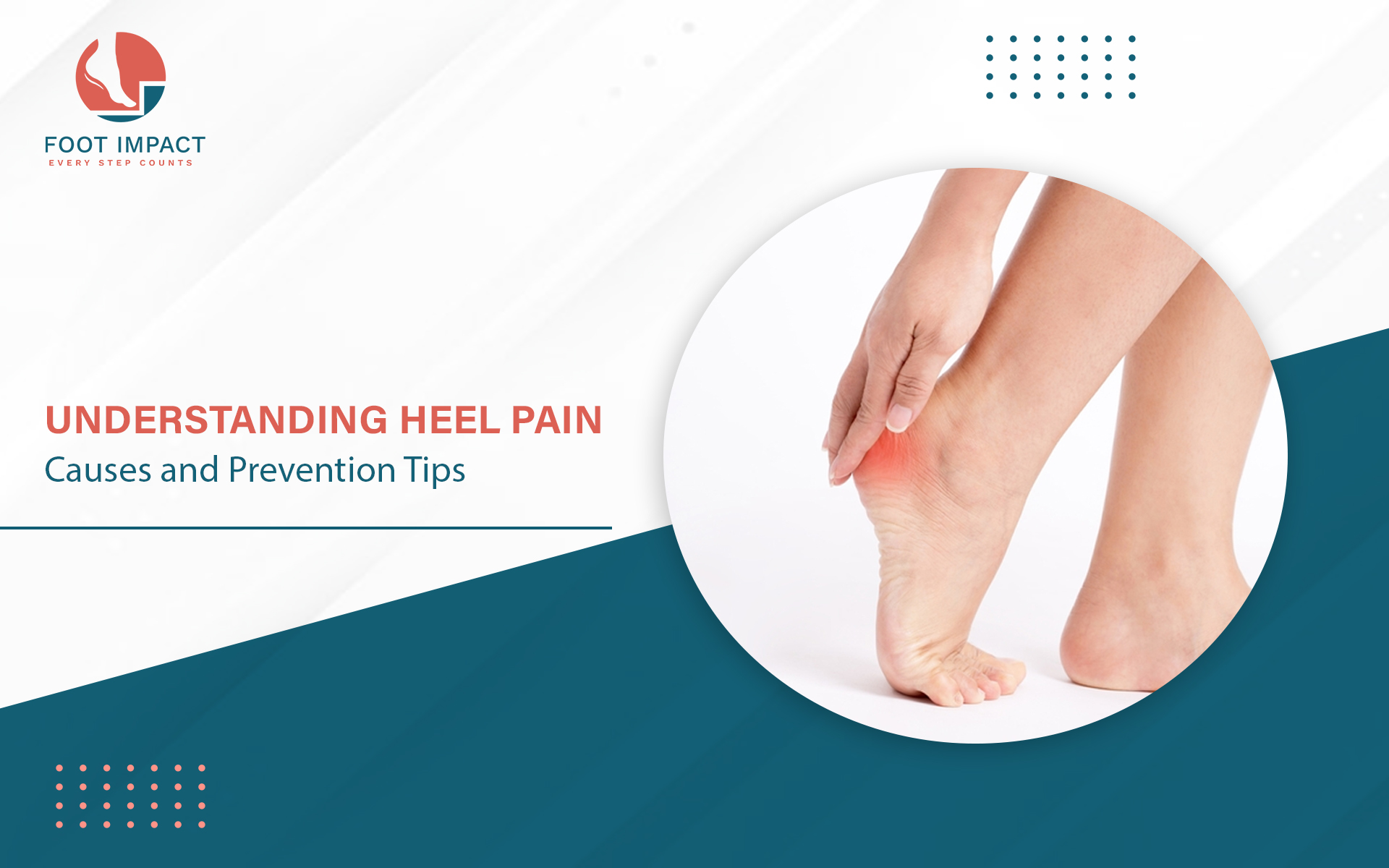
Plantar Fasciitis (Runner's Heel Pain) Sharp heel pain, especially with the first few steps out of bed, is the classic sign of plantar fasciitis. It happens when the band of tissue running along the sole of the foot becomes overloaded and inflamed, often from a sudden increase in mileage or inadequate arch support.
Blisters and Skin Breakdown Long runs in humid conditions mean feet stay damp for extended periods, which softens the skin and increases friction inside the shoe. What starts as a minor blister on a 15km run can become a genuine problem on race day if the same friction point is aggravated over 42km.
Metatarsalgia Pain and inflammation under the ball of the foot, often linked to worn-out cushioning, tight calf muscles, or a forefoot-striking running style. Left unaddressed, it tends to get progressively more limiting as weekly mileage builds.
Achilles Tendon Irritation A tight or overloaded Achilles tendon can cause stiffness and pain at the back of the heel, particularly after hill training or a rapid increase in running frequency.
How a Podiatrist Helps Before You Get Injured
The most effective time to see a podiatrist as a marathon runner isn't after something starts hurting — it's before you ramp up your training block. A pre-training assessment typically covers:
Computerized gait and posture analysis to identify whether you overpronate, supinate, or have any asymmetry between your left and right foot that could lead to uneven loading over a long training cycle.
Foot arch assessment to determine whether your natural arch type needs additional support during high-mileage weeks.
Custom orthotics, where needed, designed specifically to correct the mechanical pattern identified during your assessment — not a generic insole, but one built around how your foot actually moves.
Footwear guidance based on your gait pattern, foot shape, and the terrain you're training on, rather than trends or shoe-brand marketing.
If you're already experiencing pain — whether it's a nagging ache in the ball of your foot, heel pain that flares up on long runs, or persistent blisters in the same spot every time — the earlier you get it assessed, the more treatment options stay non-surgical and the less likely it is to derail your race-day plans.
Practical Foot Care Tips for Marathon Training
Increase mileage gradually. A common guideline is to raise total weekly distance by no more than about 10% at a time, giving tendons and bones time to adapt.
Rotate between two pairs of running shoes so cushioning has time to recover between runs, and replace shoes based on distance run, not just visible wear.
Dry your feet thoroughly and use moisture-wicking socks, especially important in Mumbai's humidity, to reduce blister risk on long runs.
Don't run through sharp or localized pain. General muscle fatigue is normal; a specific, worsening pain in one spot is not — that's the difference between soreness and an injury forming.
Get your gait assessed before your long runs peak, not after an injury forces you to stop training altogether.
When to See a Podiatrist
Book a consultation if you notice pain that doesn't ease within a day or two of rest, pain that changes your running form to compensate, swelling anywhere in the foot or ankle, or heel pain that's sharpest first thing in the morning. Catching these early is almost always the difference between a short adjustment to your training plan and weeks off running entirely.
Book Your Pre-Marathon Foot Assessment
Whether you're training for your first half marathon or your fifth full marathon, a quick gait and foot assessment can catch mechanical issues before they become race-day problems Book an appointment with Foot Impact or WhatsApp us to schedule your consultation ahead of your next training block.