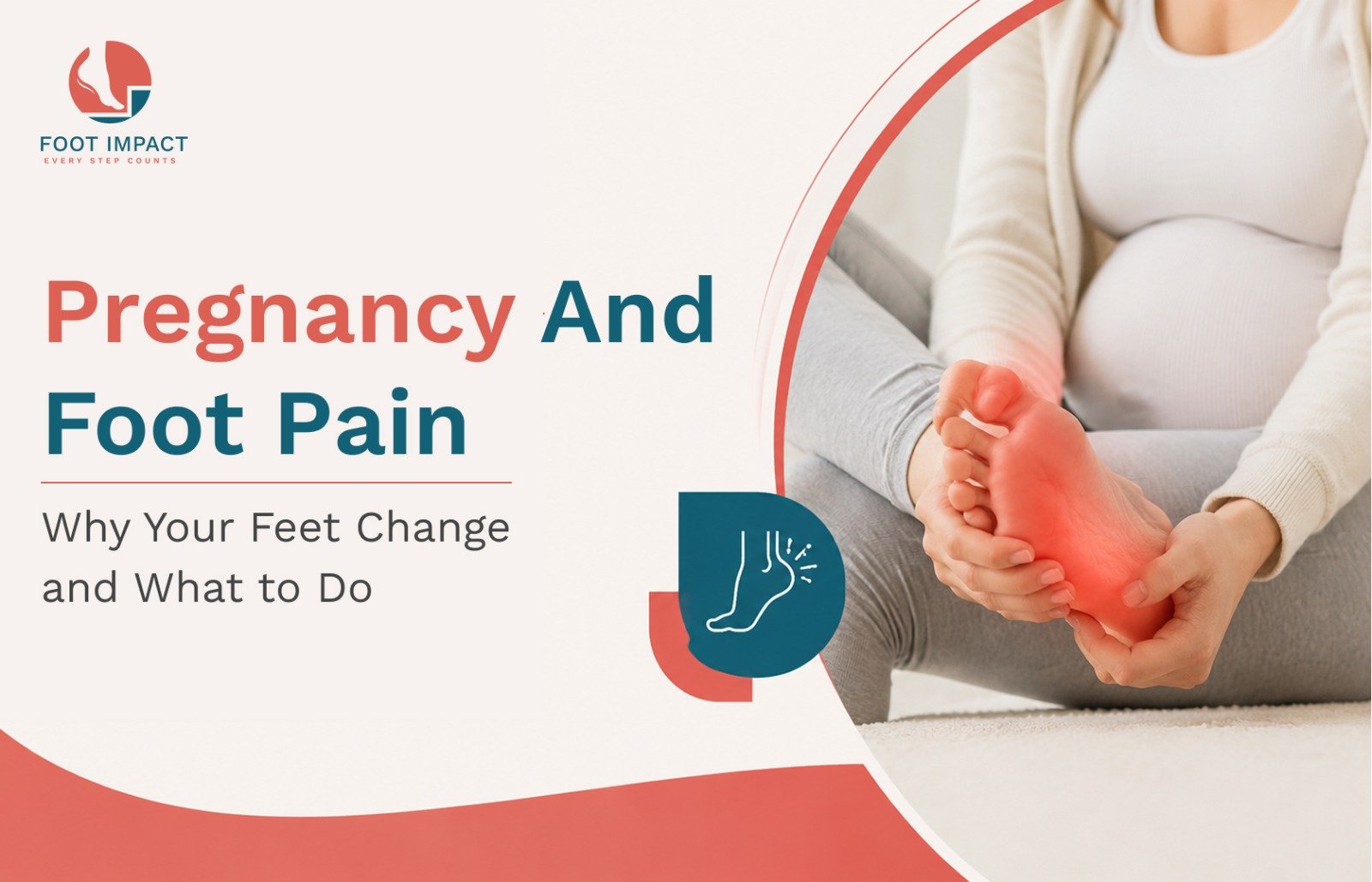
Pregnancy and Foot Pain: Why Your Feet Change and What to Do
Pregnancy transforms your body in ways you can see coming — the growing belly, the weight gain, the hormonal shifts. But there's one change that catches many expectant mothers completely off guard: what happens to your feet. Swelling, aching arches, heel pain that makes the first steps out of bed feel like walking on broken glass — these are among the most common (and least talked about) discomforts of pregnancy. If you're struggling with foot pain during pregnancy in Mumbai and wondering whether it's normal or something that needs attention, you're far from alone.
Up to 70 percent of pregnant women experience some form of foot or ankle discomfort during their nine months. For many, those changes begin quietly in the second trimester and peak by the third, when body weight, hormonal fluctuations, and fluid retention are all at their highest. And here's something most expectant mothers don't realise: some of those changes — particularly to the arch of the foot — can become permanent without proper care.
The good news? Most pregnancy-related foot problems are manageable, and many are preventable. Understanding why your feet change during pregnancy is the first step toward keeping them comfortable, healthy, and supported throughout every trimester.
Why Pregnancy Changes Your Feet: The Three Key Factors
Pregnancy doesn't affect your feet in just one way. Three interconnected changes work together to alter the shape, size, and function of your feet over nine months.
1. The Relaxin Hormone
Your body produces a hormone called relaxin during pregnancy. Its primary job is to loosen the ligaments of the pelvis, making room for your baby to pass through the birth canal during delivery. However, relaxin doesn't limit itself to the pelvis — it circulates throughout your entire body, softening ligaments in every joint, including the 33 joints in each foot.
When foot ligaments become lax, the arch loses its structural support. The result is a flatter, longer, and wider foot. A landmark study published in the American Journal of Physical Medicine and Rehabilitation (available via the National Institutes of Health) found that pregnancy leads to a measurable and often permanent decrease in arch height, with the most significant changes occurring during a woman's first pregnancy. Foot length increased and arch rigidity decreased — changes that persisted well into the postpartum period.
2. Weight Gain and Shifted Centre of Gravity
The typical pregnancy involves a weight gain of 10 to 15 kilograms. That extra mass is concentrated in the abdomen, pushing the body's centre of gravity forward and changing how weight is distributed across the feet. The forefoot and heels absorb more force with every step, and the altered posture often leads to overpronation — a rolling inward of the foot during walking.
This overpronation strains the plantar fascia (the thick band of tissue along the sole), irritates the arch, and places additional stress on the ankles and knees. For women with pre-existing flat feet, these changes can significantly intensify existing symptoms.
3. Fluid Retention and Swelling
During pregnancy, your body produces approximately 50 percent more blood and bodily fluids to support your growing baby. Gravity pulls much of that extra fluid downward, causing it to pool in the feet and ankles — especially after long periods of standing or sitting. This swelling, known as oedema, is most pronounced in the third trimester and tends to worsen in warm weather and toward the end of the day.
While mild, symmetrical swelling is a normal part of pregnancy, sudden or severe swelling — particularly in the face, hands, or one leg — can signal a more serious condition and requires immediate medical attention. We'll cover how to tell the difference later in this article.
The Most Common Foot Problems During Pregnancy
Not every pregnant woman will experience the same issues, but several foot conditions appear with striking regularity during pregnancy.
Swollen Feet and Ankles (Oedema)
This is the most visible and widely recognised pregnancy foot problem. Fluid accumulates in the lower extremities throughout the day, making shoes feel tight, rings difficult to remove, and ankles puffy. While uncomfortable, mild oedema is generally harmless and resolves with rest and elevation.
Relief strategies include elevating the feet above heart level several times a day, wearing graduated compression stockings (15–20 mmHg), staying well hydrated (counterintuitive but effective), and avoiding prolonged standing. Gentle ankle rotations and foot flexion exercises can also improve circulation and encourage fluid to move upward. If you need specific guidance on managing pregnancy ankle swelling relief, a podiatrist can assess whether your swelling pattern is typical or needs further investigation.
Plantar Fasciitis and Heel Pain
The combination of increased body weight, loosened ligaments, and altered gait creates ideal conditions for plantar fasciitis — an inflammation of the plantar fascia that causes sharp heel pain, particularly with the first steps in the morning. This condition is especially common during the second and third trimesters.
For pregnant women, treatment options need to be safe and non-invasive. Stretching the calves and plantar fascia before getting out of bed, wearing shoes with proper arch support even at home, and using supportive insoles can all reduce the strain on the plantar fascia without medication. At Foot Impact, our podiatrists design treatment plans that are entirely pregnancy-safe — no steroids, no invasive procedures, just targeted biomechanical support that addresses heel pain pregnancy causes at their root.
Flat Feet and Fallen Arches
As relaxin softens the foot's ligaments, the arch begins to lower. Many women describe a gradual flattening that makes their feet feel wider and longer. Some find that they need to go up by half a shoe size — or even a full size — by the third trimester. This isn't just swelling; it's a genuine structural change in the foot's architecture.
If you had flat feet before pregnancy, the hormonal changes can make the condition considerably worse. And here's the part that concerns podiatrists most: these arch changes can become permanent, particularly after a first pregnancy, if the ligaments aren't given adequate support while they're in their most vulnerable state.
Forefoot Pain (Metatarsalgia)
As the centre of gravity shifts forward, extra pressure lands on the ball of the foot — the metatarsal heads. This can produce a burning, aching sensation under the forefoot that worsens with standing or walking. Women who wear flat, unsupportive footwear are particularly susceptible. If you're experiencing this type of pain, it's worth reading about forefoot pain causes and relief to understand whether your symptoms need professional attention.
Ingrown Toenails
Swollen toes combined with tight shoes create pressure on the nail edges. Add hormonal changes that affect nail growth, and ingrown toenails become far more common during pregnancy. If left untreated, they can become infected — something no expectant mother needs. Our guide on ingrown toenail causes and treatment explains when home care is sufficient and when professional help is warranted.
Can Fallen Arches During Pregnancy Become Permanent?
This is one of the most important questions expectant mothers should ask — and the answer, backed by clinical research, is yes.
A study from the University of Iowa, published in the American Journal of Physical Medicine and Rehabilitation, tracked women through their first pregnancy and into the postpartum period. The researchers found that arch height decreased significantly during pregnancy, and these changes persisted at 19 weeks postpartum. Foot length increased, arch rigidity dropped, and the overall foot structure became measurably flatter.
The critical finding was that the most dramatic changes occurred during the first pregnancy. Subsequent pregnancies showed smaller additional losses, suggesting that the initial ligament stretching is where the greatest structural damage takes place.
What does this mean practically? It means that supporting your arches during pregnancy — especially your first pregnancy — isn't just about comfort. It's about preserving the long-term structure of your feet. Custom orthotics designed specifically for the pregnant foot can provide the scaffolding that loosened ligaments cannot, helping to maintain arch integrity during the months when relaxin is at its peak.
Safe Footwear Choices During Each Trimester
What you put on your feet matters enormously during pregnancy. The right shoes can reduce pain, improve stability, and even help prevent permanent structural changes. Here's a trimester-by-trimester guide.
First Trimester
Foot changes are minimal at this stage, but it's the perfect time to invest in good footwear before problems start. Choose shoes with a supportive midsole, a wide toe box, and a low, stable heel (ideally 2–3 centimetres). Avoid completely flat shoes like ballet flats and flip-flops — they offer zero arch support and accelerate pronation.
Second Trimester
As weight increases and relaxin levels rise, your feet will start to feel the difference. Switch to shoes with adjustable closures (laces or velcro straps) that can accommodate mild swelling. A cushioned insole with arch support is essential. If you're noticing arch pain or heel stiffness, this is the ideal time to consult a podiatrist about custom orthotics. Our footwear buying guide details the features podiatrists recommend for daily wear.
Third Trimester
Swelling is at its peak, balance is more challenging, and comfort becomes the top priority. Look for slip-on shoes with stretch panels and structured soles — you need something easy to put on (bending over is harder now) that still offers genuine support. Avoid heels entirely. Non-slip soles are important for safety, as your centre of gravity has shifted significantly and falls become a greater risk.
When Swelling Is Normal — and When It Signals a Problem
Mild, symmetrical swelling in both feet and ankles is a normal feature of pregnancy, particularly from the second trimester onward. It should improve overnight when you sleep, and both feet should be affected roughly equally.
However, certain types of swelling require urgent medical attention. According to the Preeclampsia Foundation and MedlinePlus (a service of the U.S. National Library of Medicine), you should contact your obstetrician or midwife immediately if you experience any of the following:
Sudden swelling in your face, hands, or feet — especially if it appears rapidly rather than building gradually over the day.
Swelling in only one leg, particularly if it is accompanied by redness, warmth, or pain. This could indicate a deep vein thrombosis (DVT), a blood clot that requires immediate treatment.
Swelling accompanied by other symptoms such as a persistent headache that won't go away, visual disturbances (blurred vision, seeing spots or flashing lights), pain in the upper right side of the abdomen, or difficulty breathing. These are warning signs of preeclampsia, a potentially life-threatening pregnancy complication involving high blood pressure.
Pitting oedema, where pressing your thumb into swollen skin leaves a visible indentation that lingers for several seconds. While not always dangerous, significant pitting oedema should be evaluated.
If your swelling follows a normal pattern — worse in the evening, better in the morning, affecting both sides equally — it is very likely part of a healthy pregnancy. Simple measures like elevation, hydration, compression stockings, and reducing sodium intake usually provide effective relief.
How Custom Orthotics Help Pregnant Women Stay Mobile and Pain-Free
When your foot's own ligaments can't do their job because relaxin has loosened them, something external needs to step in. That's exactly what custom orthotics do.
Unlike off-the-shelf insoles — which offer generic cushioning at best — custom orthotics are moulded to the precise contours of your feet. For a pregnant woman, this means they can support a lowering arch before it collapses fully, redistribute pressure away from the painful metatarsal heads, cushion the heel to reduce plantar fasciitis symptoms, and correct overpronation to restore a healthier walking pattern.
At Foot Impact, custom orthotics for pregnant women are designed after a thorough gait and posture analysis. This analysis identifies exactly how your feet are adapting to the pregnancy — where the arch is dropping, how your weight is shifting, and which areas are under the most stress. The orthotics are then crafted to address those specific changes.
Many of our patients continue wearing their pregnancy orthotics into the postpartum period, as foot changes don't reverse immediately after delivery. In fact, for women whose arches have permanently flattened, long-term orthotic support becomes part of their ongoing foot health strategy.
Post-Pregnancy Foot Recovery: What to Expect
Many expectant mothers assume that all foot problems will disappear once the baby arrives. Some do — but not all.
Swelling typically resolves within one to two weeks after delivery as the body sheds excess fluid. Some women experience a temporary increase in swelling during the first few days postpartum before it begins to subside.
Arch height may partially recover as relaxin levels drop and ligaments begin to tighten. However, research suggests that for many women — particularly after a first pregnancy — the arch remains lower than it was before. This doesn't necessarily mean pain, but it does mean that the foot is now biomechanically different and may benefit from ongoing support.
Shoe size changes can be permanent. If your feet grew by half a size or more during pregnancy, don't expect them to shrink back. Wearing shoes that are too small for your new foot dimensions will lead to corns, calluses, and discomfort. Accept the new size and invest in well-fitting footwear.
Heel pain and plantar fasciitis may continue postpartum, especially if it wasn't addressed during pregnancy. The demands of new motherhood — standing for feeds, carrying a baby, walking on sleep-deprived legs — can keep the plantar fascia under strain. If heel pain persists beyond a few weeks after delivery, a podiatric assessment is warranted.
Postpartum is also a good time for a comprehensive foot check-up. A podiatrist can evaluate whether any structural changes have occurred, assess your gait, and recommend adjustments to your orthotics or footwear. Think of it as a postnatal check-up — but for your feet.
Frequently Asked Questions (FAQ)
Is foot pain during pregnancy normal?
Mild to moderate foot pain during pregnancy is extremely common, affecting up to 70 percent of expectant mothers. The combination of weight gain, hormonal changes (particularly relaxin), and fluid retention all contribute to discomfort in the feet and ankles. However, severe or sudden pain should always be evaluated by a healthcare professional.
Why do my feet get bigger during pregnancy?
Relaxin loosens the ligaments in your feet, allowing the arch to flatten and the foot to lengthen and widen. Weight gain and swelling compound the effect. Studies show that foot size can increase by up to 12 percent by the 38th week of pregnancy, and for some women, this increase is permanent — particularly after a first pregnancy.
Can I wear heels during pregnancy?
It's strongly recommended to avoid high heels during pregnancy. As your centre of gravity shifts forward and your ligaments become more lax, heels increase your risk of falls and place excessive pressure on the forefoot. A low, broad heel of 2–3 centimetres is the maximum that most podiatrists consider safe during pregnancy.
When should I worry about swollen feet during pregnancy?
Mild, gradual swelling in both feet is normal. Seek immediate medical attention if swelling appears suddenly, affects your face or hands, occurs in only one leg (especially with redness or warmth), or is accompanied by headaches, vision changes, or upper abdominal pain. These could be signs of preeclampsia or a blood clot.
Do I need custom orthotics during pregnancy?
If you're experiencing arch pain, heel pain, or noticeable flattening of your feet, custom orthotics can provide targeted support that protects your foot structure during the months when ligaments are at their most vulnerable. They're especially valuable during a first pregnancy, when the risk of permanent arch changes is highest.
Will my feet go back to normal after pregnancy?
Swelling typically resolves within one to two weeks postpartum. However, structural changes to the arch and foot length may be permanent, especially after a first pregnancy. Wearing supportive footwear and custom orthotics during and after pregnancy can help minimise lasting changes.
Take Care of the Feet That Carry You Through Pregnancy
Pregnancy is a remarkable journey, but it asks a lot of your body — and your feet bear the weight of it all, quite literally. Foot pain during pregnancy in Mumbai doesn't have to be something you simply endure. With the right footwear, timely podiatric care, and custom orthotic support, you can stay comfortable, mobile, and confident through every trimester and beyond.
At Foot Impact, Dr. Sarika Jambhulkar and Dr. Vilas Jambhulkar understand the unique foot challenges that pregnancy brings. From personalised gait analysis to custom orthotics designed for the pregnant foot, our team provides safe, effective, and non-invasive solutions for foot pain during pregnancy in Mumbai.
Don't wait until the pain becomes unbearable. Book an appointment or explore our online consultation option for expert advice from the comfort of your home. Your feet deserve care — especially now.