Diabetic Foot Pain Treatment at Foot Impact
Protect Your Feet. Prevent Complications. Walk Pain-Free.
Diabetic foot pain is not “just another foot problem.” It is a warning sign. At FootImpact, we provide non-surgical, biomechanical correction-based treatment for diabetic foot pain, ulcers and neuropathy-related pressure injuries
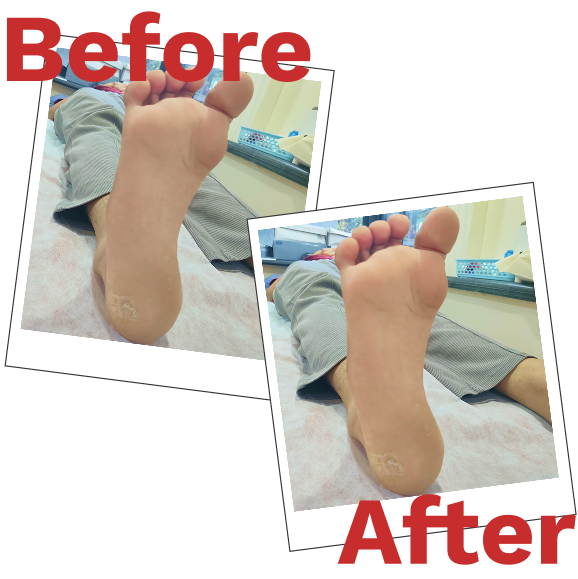
Understanding the Symptom
What Is Diabetic Foot Pain?
Diabetic foot pain refers to foot discomfort, burning sensation, numbness, or pressure-related wounds that develop due to diabetes-related nerve and circulation damage.
In patients with type 2 diabetes, foot pain often develops because:
 High blood sugar damages nerves (neuropathy)
Blood circulation to the feet reduces
Pressure points increase due to faulty biomechanics
Small injuries go unnoticed and worsen
Many patients first notice:
Burning or tingling sensation
Cold feet
Sharp forefoot pain
Thick nails or fungal nails
Non-healing wounds
These are early warning signs of diabetic foot complications.
Common Problems with Feet in Diabetes
Diabetes affects multiple structures in the foot. The most common conditions include:
Diabetic Neuropathy
Loss of sensation due to nerve damage. Patients may not feel pain even when there is injury.
Type 2 Diabetes Foot Pain
Often presents as burning, throbbing, or deep aching pain in the heel, arch, or forefoot.
Diabetic Nails
Thickened, fungal, brittle nails that increase pressure and infection risk.
Diabetes Cold Feet
Reduced circulation causes cold sensation, discoloration, and delayed healing.
Book a Comprehensive Diabetic Foot Assessment
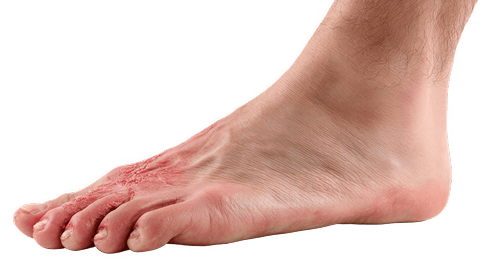
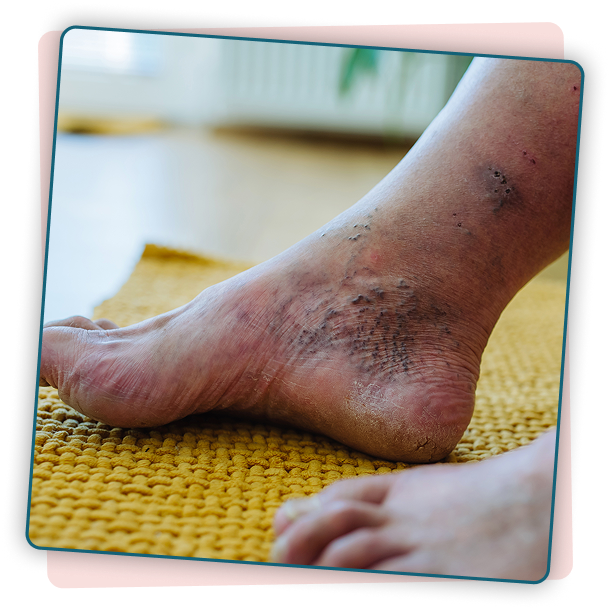
How Diabetic Foot Ulcers Develop
Diabetic foot ulcers do not appear suddenly. They follow a predictable progression:
- Biomechanical deviation increases forefoot pressure
- Skin thickens (corns and calluses form)
- Sensation reduces due to neuropathy
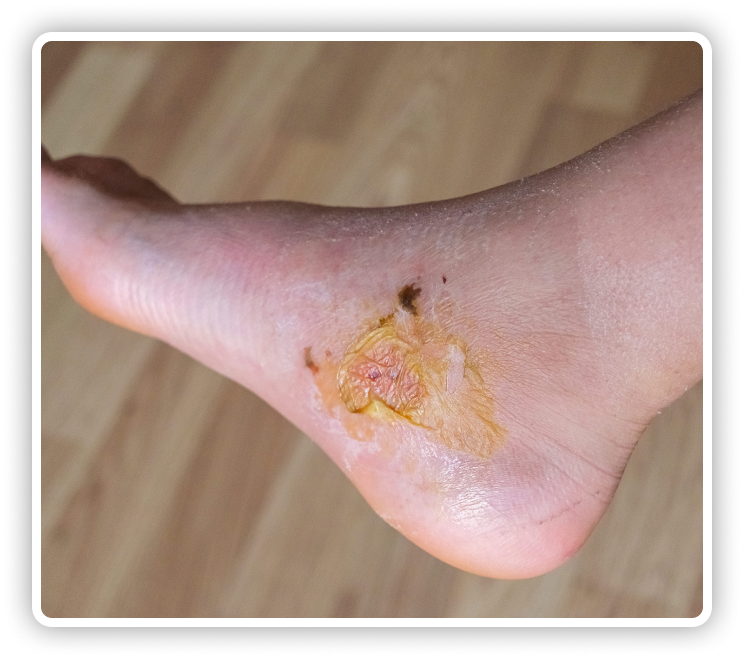
- Small wound develops unnoticed
- Wound fails to heal due to poor circulation
- Infection risk increases
Without proper offloading, ulcers can worsen and may lead to amputation.
Early intervention prevents this cascade.

Why Diabetic Foot Problems Happen
Based on clinical experience, the root causes include:
Biomechanical Deviations
- Flat feet
- High arches
- Overpronation or supination
- Uneven weight distribution
These increase pressure on the forefoot and heel.
Neuropathy
Nerve damage reduces protective sensation.
Poor Circulation
Healing slows significantly.
Wrong Footwear
Tight shoes, hard soles, fashion footwear increase friction.
Neglect
Small wounds ignored → become ulcers.

Our 4-Step
FootImpact Approach to Diabetic Foot Pain Treatment
At FootImpact, we focus on pressure redistribution and biomechanical correction not temporary symptom control.
Clinical & Gait Assessment
We evaluate:
- Foot alignment
- Arch type
- Pressure distribution
- Walking pattern
- Sensation testing
When required, computerized gait analysis identifies exact high-pressure zones.
On-the-Spot Orthotic Correction
Custom bedside orthotics are designed immediately to:
- Offload plantar pressure
- Reduce forefoot overload
- Protect ulcer sites
- Improve balance and stability
Patients often feel pressure relief immediately. Visible wound base improvement is commonly observed within 21 days
Lifestyle-Based Orthotic Integration
Unlike bulky rocker shoes:
- Orthotics are customized for daily footwear
- Can be used in sandals, slippers, work shoes
- Designed for long-term comfort
No impractical designs. No footwear with holes.
Monitoring & Prevention
We provide:
- Regular ulcer monitoring
- Nail care guidance
- Foot hygiene education
- Pressure reassessment
- Risk grading
Every diabetic patient should undergo periodic podiatry evaluation.
Diabetes Cold Feet Treatment
Cold feet in diabetes are usually due to circulation compromise.
Our approach includes:
- Pressure optimization to improve microcirculation
- Foot mobility assessment
- Safe footwear correction
- Thermal care education
We do not rely only on medication mechanical correction improves long-term outcomes.
Start Non-Surgical Diabetic Foot Pain Treatment
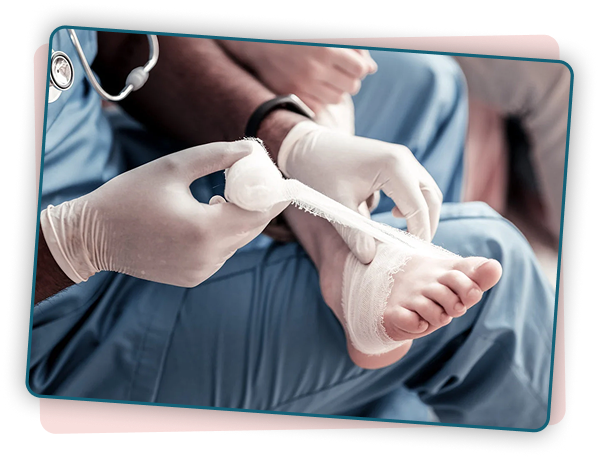
Why Medicines Alone Are Not Enough
Painkillers and antibiotics may:
- Reduce pain
- Control infection temporarily
- These alter walking patterns and overload the plantar fascia and Achilles tendon.
But they do not correct pressure imbalance.
Without offloading:
- Ulcers reopen
- Pain returns
- Deformities progress
Biomechanical correction is essential.
What Results Can You Expect?
With early intervention:
- Pressure reduction from day one
- Visible ulcer base improvement in weeks
- Reduced recurrence
- Prevention of amputation risk
- Long-term protection of mobility

Frequently Asked Questions
Diabetic foot pain is preventable. Complications are avoidable. But delay is dangerous.
At FootImpact, we provide scientific, non-surgical, pressure-corrective treatment to protect your mobility and prevent serious complications.