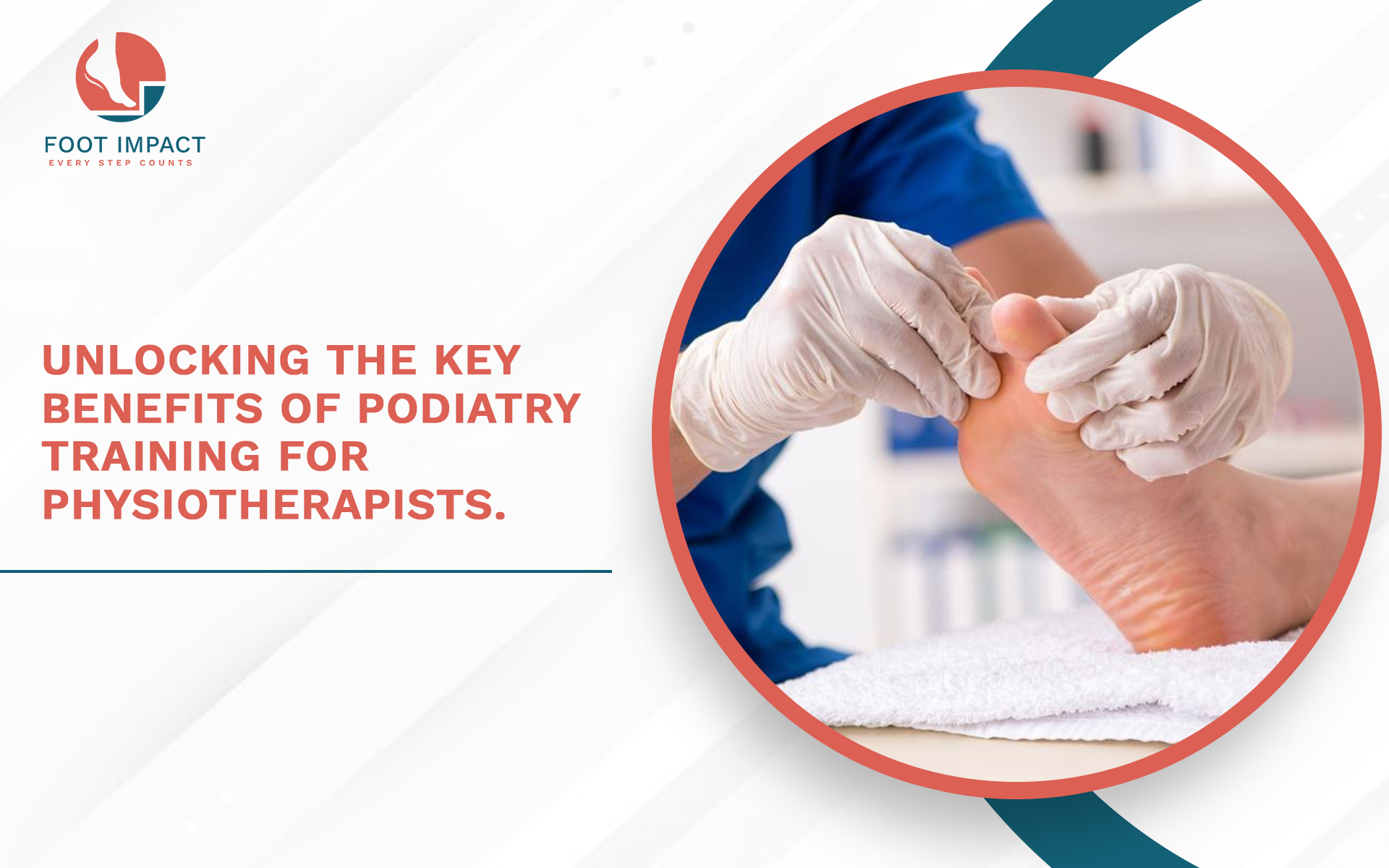
Unlocking the Key Benefits of Podiatry Training for Physiotherapists.
Enhance Your Practice with Specialized Foot Care Expertise
Foot and lower limb pain is a common issue affecting people of all ages. Yet, diagnosing and treating these conditions effectively remains a challenge for many healthcare professionals. Podiatry training for doctors and physiotherapists provides a scientific, hands-on approach to managing foot-related issues with immediate pain relief techniques.
By incorporating podiatric knowledge into their practice, physiotherapists and general practitioners can offer comprehensive care, reduce referrals, and significantly improve patient outcomes.
Why Podiatry Training is Essential
Podiatry focuses on identifying and addressing the root cause of foot and lower limb problems rather than just treating symptoms. With specialized training, healthcare professionals can efficiently diagnose and treat conditions such as:
Plantar fasciitis
Heel pain
Flat feet
Diabetic foot complications
Biomechanical imbalances
This quick diagnostic approach allows for precise treatment, reducing dependency on unnecessary tests or prolonged treatment cycles.
Since physios are well equipped with the knowledge of biomechanics they can adapt this practice very easily.
Key Benefits of Podiatry Training for Healthcare Professionals
1. Provide Immediate Pain Relief
Traditional treatments for foot pain often involve multiple consultations, referrals, and long waiting periods. With podiatry training, physiotherapists can diagnose and treat issues in a single visit, providing instant relief to patients.
2. Expand Your Practice & Increase Patient Trust
Patients experiencing persistent foot pain often struggle to find the right specialist. By offering podiatric care, physiotherapists and doctors can position themselves as comprehensive healthcare providers, attracting more patients seeking specialized foot care.
3. Address India's Growing Need for Foot Care Boost
With the rising prevalence of diabetes and foot-related complications, India needs more specialists trained in preventive and therapeutic foot care. Podiatry training enables doctors and physiotherapists to fill this gap, preventing severe complications and improving overall public health.
4. Revenue Without Extra Investment
Unlike other medical specializations that require expensive equipment or infrastructure, podiatry training offers a cost-effective way to grow your practice. The ability to provide in-house foot care reduces the need for referrals or hiring orthotists, keeping patient care direct and profitable.
Join Our Certified Podiatry Training Program
With over a decade of experience, we offer LBG Medical UK-certified podiatry training designed for doctors, physiotherapists & Occupational Therapist looking to upgrade their skills.
What You’ll Learn
✅ Advanced foot biomechanics assessment
✅ Quick & effective diagnosis of foot conditions
✅ Hands-on treatment techniques for pain relief
✅ Practical solutions for diabetic foot management
By integrating podiatry into your practice, you can improve patient outcomes, enhance your reputation, and increase your earning potential.
📞 Contact us today to learn more about our upcoming podiatry training sessions!